Final Fantasy VII Remake
En mis juegos



Final Fantasy VII Remake is a rerelease of the 1997 Japanese role-playing game Final Fantasy VII . Fans of this cult JRPG and newcomers unfamiliar with the series... Leer más
Todos los idiomas (11)
English: interfaz, subtítulos, doblaje
Français: interfaz, subtítulos, doblaje
日本語: interfaz, subtítulos, doblaje
Español: interfaz, subtítulos
Español (Latinoamérica): interfaz, subtítulos
Italiano: interfaz, subtítulos
한국어: interfaz, subtítulos
Português (Brasil): interfaz, subtítulos
简体中文: interfaz, subtítulos
繁體中文: interfaz, subtítulos
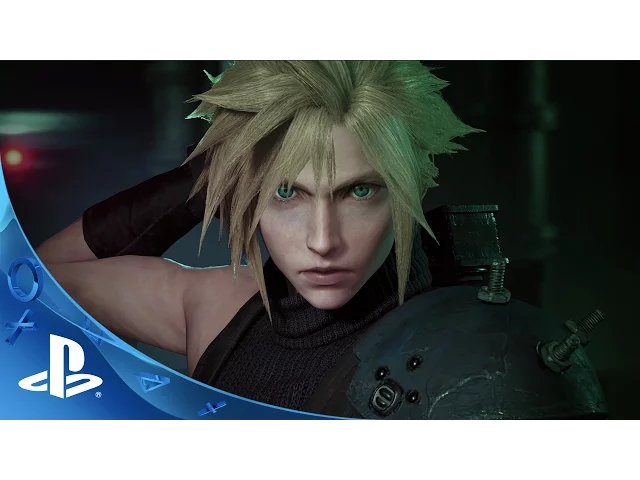
Final Fantasy VII Remake is a rerelease of the 1997 Japanese role-playing game Final Fantasy VII . Fans of this cult JRPG and newcomers unfamiliar with the series can look forward to an exciting adventure lasting close to a hundred hours, telling the story of Cloud Strife and the eco-terrorist group Avalanche, who aim to stop the Shinra megacorporation.
To capture the spirit and themes of the original, Square Enix took an unusual approach, splitting its reimagining into several separate, large-scale games released several years apart. Remake was the first, followed by Rebirth. Each release differed in concept and genre, introducing new elements and ideas, but the gameplay only improved after VII Remake, which introduced a completely new combat system.
Edition features

Given the scale and status of the original in the industry, Square Enix brought considerable resources to bear on the remake. It was made entirely “from scratch,” while drawing on the original when creating locations and characters. It retained the same style and memorable moments, whether they were pivotal or silly. Beneath the remake’s beautiful exterior, fans can easily recognize the source material.
In keeping with the times, Remake is less of a JRPG and more of a single-player story-driven blockbuster. Gameplay-wise, it’s a real-time third-person action game with tactical pauses and the ability to switch between heroes, upgradeable equipment and characters, and role-playing as the heroes. Travel has also been reimagined: an area that took a minute to run through now challenges you to fight your way through or solve a puzzle.
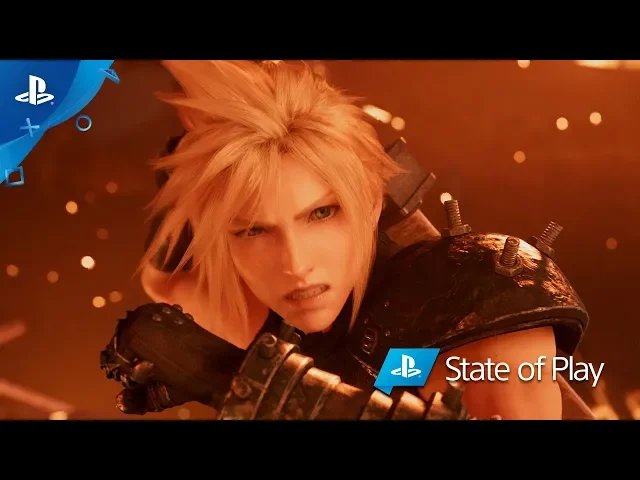
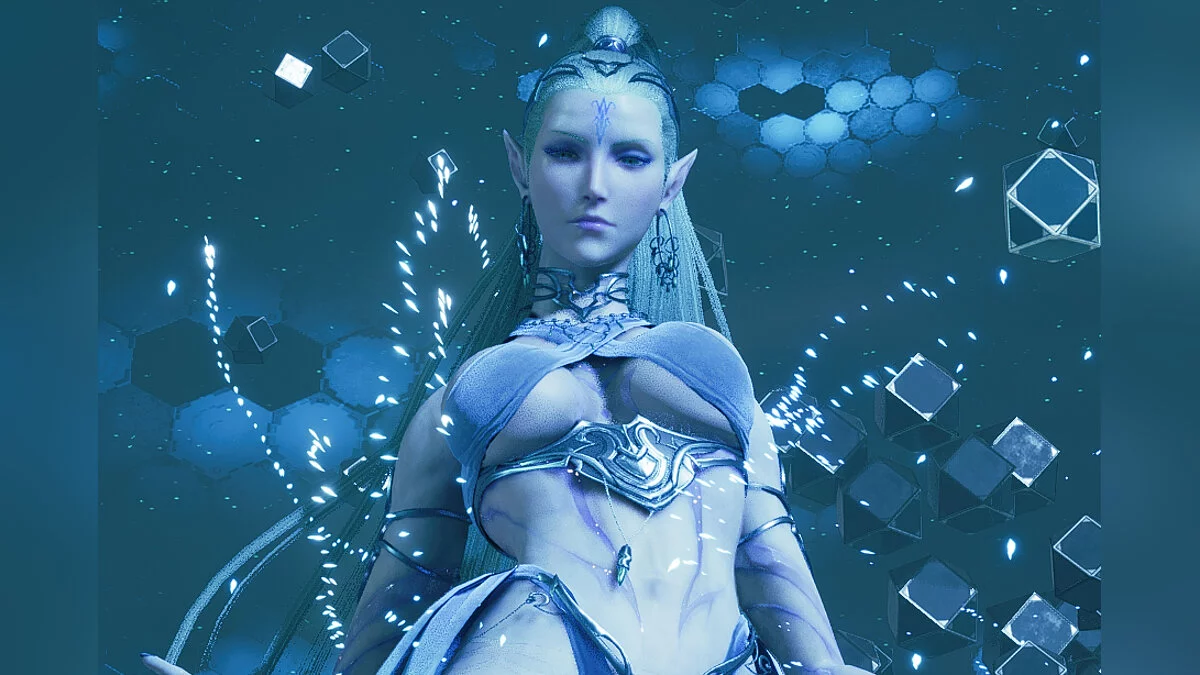
The remake’s main difference from the original is its use of modern 3D graphics technology and a painstakingly crafted, expansive game world. The game transitions seamlessly between cutscenes and gameplay, creating a sense of cohesion, largely thanks to the artistic presentation of CGI elements and high-quality graphics.
Background to the events

Final Fantasy VII builds an expansive universe that players gradually explore as they progress through the game. This is a dystopia packed with deep meaning, exploring authoritarianism and the tyranny of science, with a touch of magical fantasy.
The game takes place in an alternate reality on the planet Gaia. Its biomes and landscapes resemble Earth, but it has its own flora and fauna. The dominant species is a humanoid civilization, with some life forms unlike anything found on Earth.
This is explained by the existence of the Lifestream—a mythical flow of life energy running beneath the planet’s surface. This living, intelligent substance influences everything that happens on the planet. All creatures originate from it and return to it after death.
The human civilization on Gaia developed much like ours, but over time it learned to extract a special energy called Mako from the Lifestream and convert it into cheap, seemingly limitless electricity. Shinra was the first company to do this, and eventually came to rule the world. Governments either fell under its technological power or regressed to the age of coal and steam.
Shinra has taken on the roles of government, courts, and police, and is also the leading employer and a technological giant. It conducts unethical experiments, censors the media, and suppresses dissent, all while advancing human civilization in ways that closely resemble our own world.
The Game World

In Final Fantasy VII, there were three continents. The remake lets players visit them all, but the first episode takes place entirely in the metropolis of Midgar. This is Shinra’s headquarters, which has literally grown out of the city: the poor and middle classes live on the ground, while the wealthy and corporate employees live above them in colossal skyscrapers.
Midgar is made up of dozens of locations in all shapes and sizes, but there’s no open world. Even the larger levels are more like winding corridors than truly open spaces. In keeping with the classic, the remake is completely linear, and it’s worth searching every corner and completing side quests before moving on. The simulation of everyday life is simple, too: NPCs are static and create atmosphere by saying a few lines.
The city is divided into districts, each with its own unique style: the center is cyberpunk, with neon lighting that makes the buildings look as if they’re floating; the middle class lives in the familiar low- and high-rise neighborhoods; and, as everywhere, the slums are marked by total decay. This keeps things from feeling repetitive, and the linearity is barely noticeable.
Characters and Story

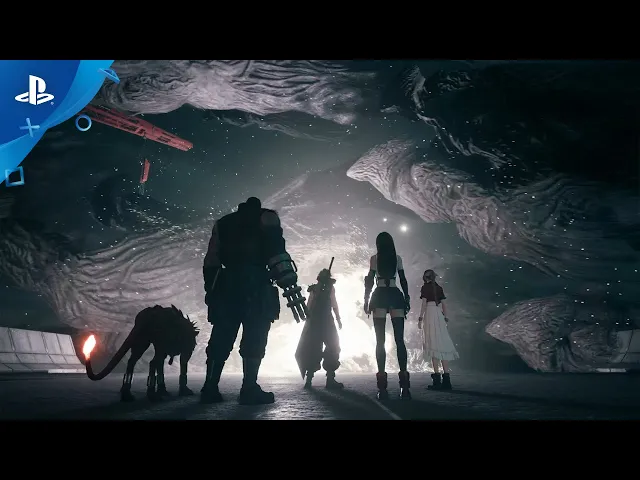
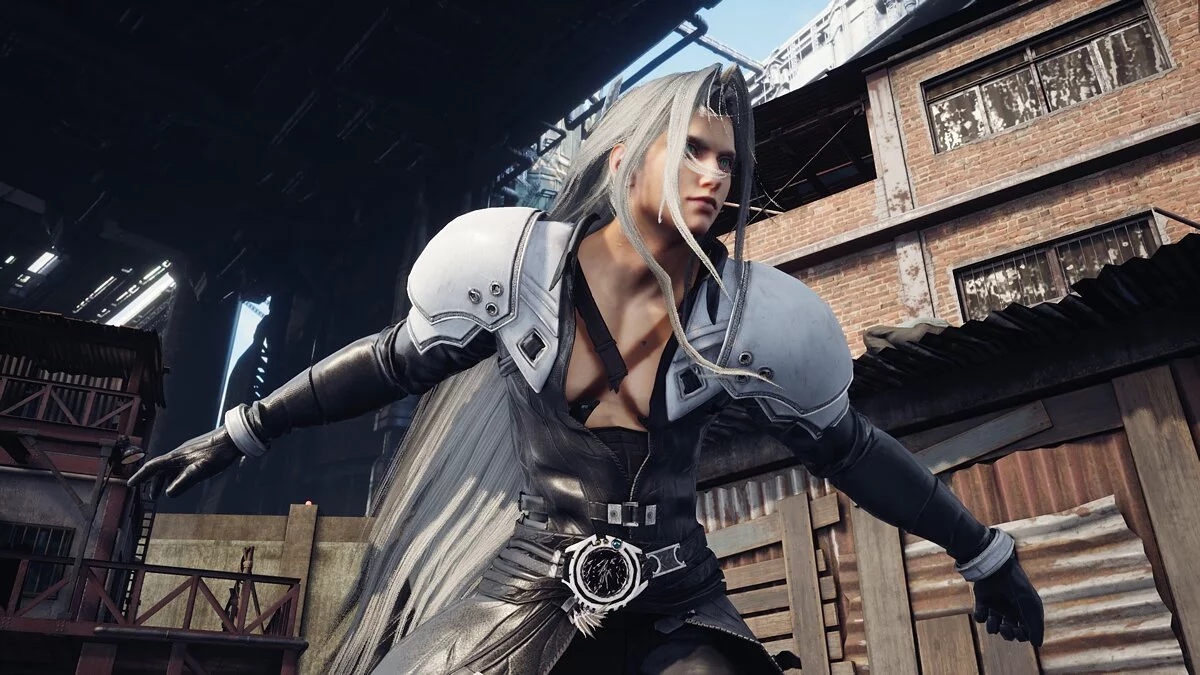
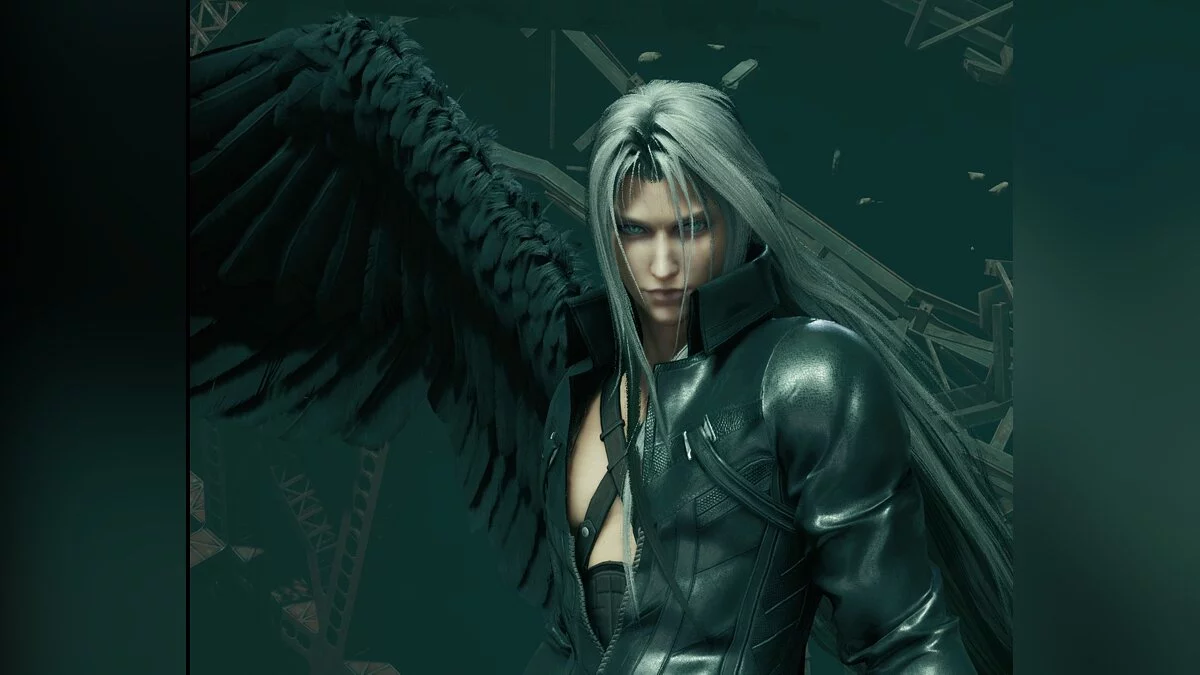
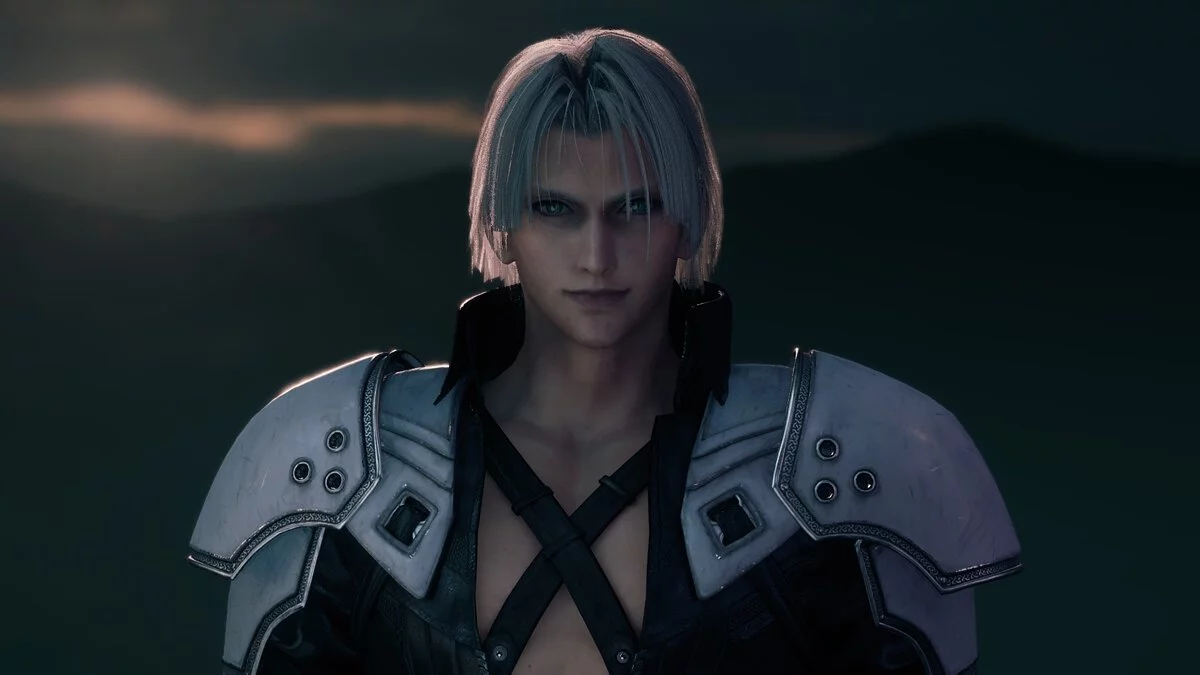
The remake preserves one of the best stories in gaming history. The developers carefully brought the story of the 1997 original to life, and its storytelling meets all modern standards. Prepare to immerse yourself in an epic tale featuring, besides the protagonist, three major heroes and several antagonists, numerous supporting characters, and a host of NPCs with short quests.
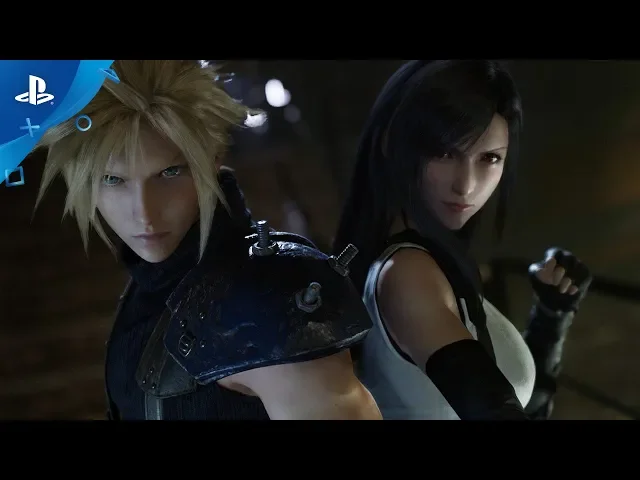
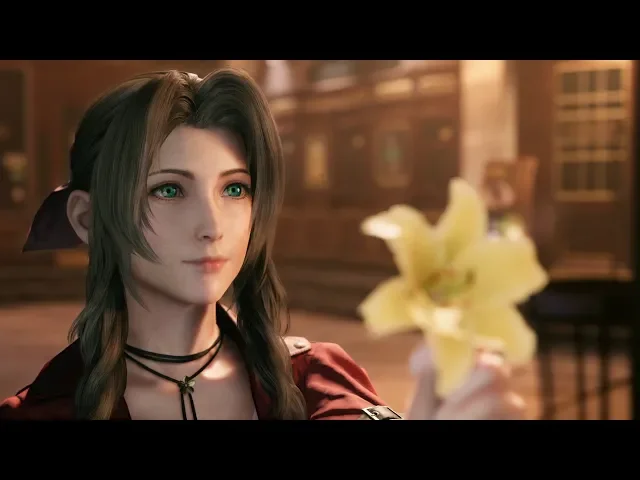
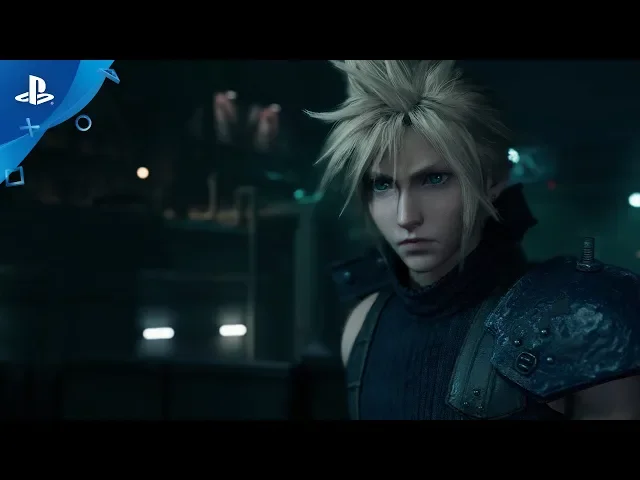
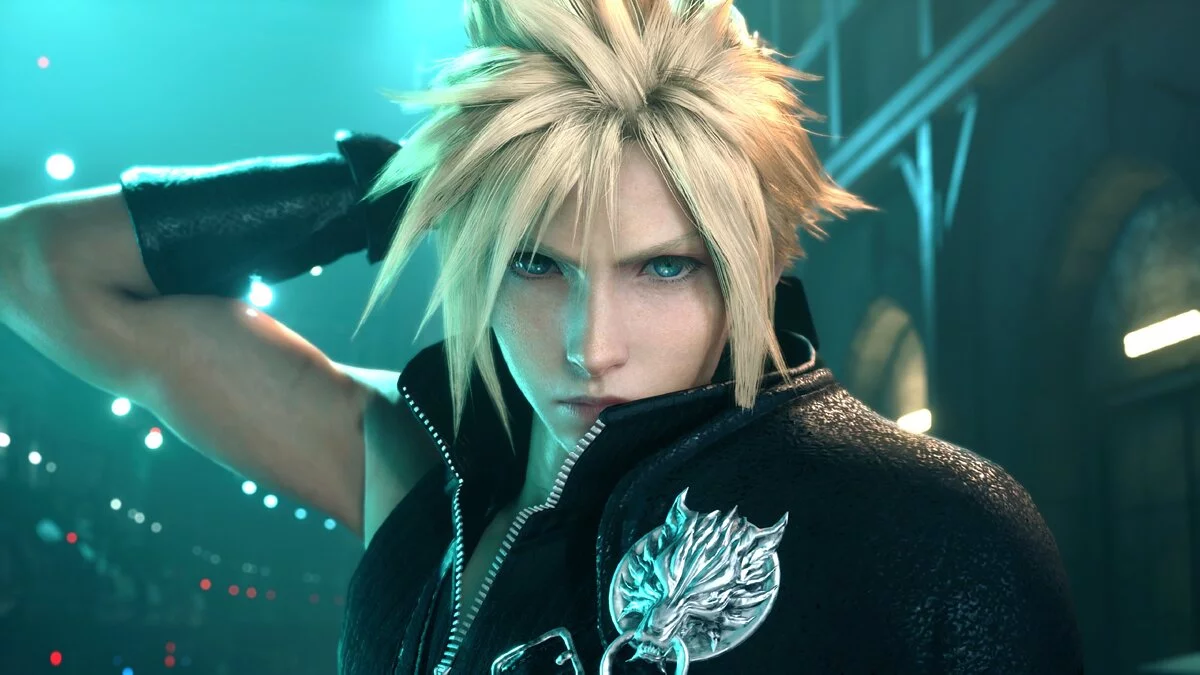
By a twist of fate, Cloud, a former 1st Class SOLDIER of Shinra, becomes a mercenary and joins the ranks of eco-terrorists. At first, he only cares about getting paid for dirty work. But over time, the hero changes and finds his calling in saving the planet from Shinra. His transformation is also influenced by meeting the charismatic assault gunner Barret, his sexy childhood friend Tifa, and the charming flower girl Aerith.
This story has it all—love and betrayal, helping one another and deception, reflections on the questionable ways of resisting a corrupt government machine, and plenty of unexpected twists. But it lacks the cynicism, cruelty, and overall blandness typical of modern games. On the contrary, Final Fantasy VII’s story is a heartwarming, memorable tale of friendship and unity, with characters you believe in and care about.
The writers changed many small details: they removed storytelling flaws and logical inconsistencies, replaced unsuitable lines and dialogue with new ones, substantially increased the number of quips, lines, and conversations, carefully developed the supporting characters, and offered new explanations for aspects of the lore that had always raised questions.
Single-player

As in the original, the remake has three companions whose relationships develop throughout the game, but you can only take two of them into battle. Each character is unique in their own way. Cloud is pretty good with a sword, but he can also use a few magic tricks, while Aerith is a typical support mage who avoids direct combat but weakens enemies and strengthens allies. But the leveling system is very flexible—you can make Aerith a battle mage and Cloud a healer.
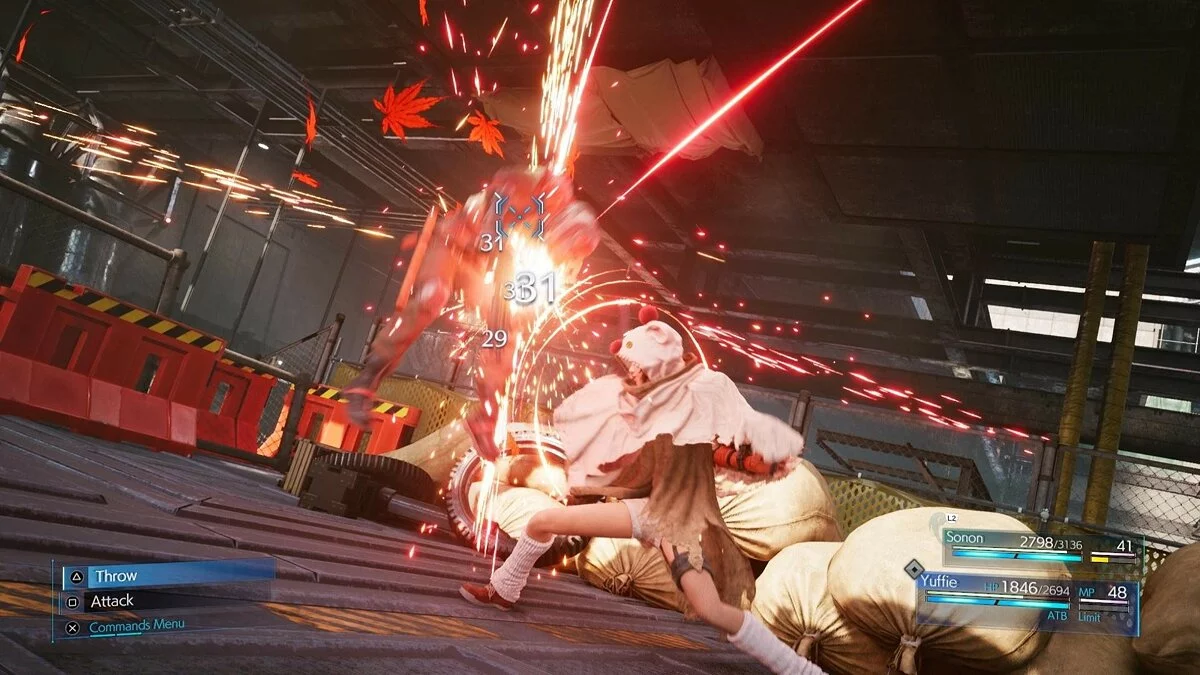
You can switch between characters in battle and take on different roles, like picking off enemies from a distance or jumping into a tough close-quarters fight—the AI companions aren’t very good at that. Attacking, shooting, and blocking fill the ATB gauge, which you can spend on special moves, magic spells, and items that heal or strengthen a character. The tactical pause also lets you simply issue commands to your party members.
The action and progression systems are built to modern standards: they’re simple and easy to understand, and everyone can find their own play style, but the combat is still deep. Enemies react to the player’s actions and can counter the use of abilities. You can also stagger them or deal critical damage by targeting their weaknesses with the right type of attack.
Boss fights are tough and split into several phases. The further you get, the angrier and more dangerous the enemy becomes, forcing you to change your tactics. You can’t just mindlessly attack—you need to know their weak points and use special abilities and magic.
Key features:

- At launch, the game had no full Russian localization, or even subtitles, and none were planned;
- The 1997 original made millions fall in love with the JRPG genre . The remake does the same thing, but on a whole new level.
- To the remake creators’ credit, they brought back many of the original’s quests and gameplay puzzles, modernizing them, as well as its bosses, such as the House and the Scorpion.
Ofertas de tiendas y descuentos


Requisitos del sistema y prueba de PC
- Windows 10 64bit
- Procesador: Intel Core i5-3330
- Memoria RAM: 8 GB
- Espacio libre: 100 GB
- VRAM: 3 GB
- Tarjeta gráfica: GeForce GTX 780; Radeon RX 480
- DirectX: 12
- Keyboard, Mouse
- Windows 10 64bit
- Procesador: Intel Core i7-3770
- Memoria RAM: 12 GB
- Espacio libre: 100 GB
- VRAM: 8 GB
- Tarjeta gráfica: GeForce GTX 1080; Radeon RX 5700
- DirectX: 12
- Keyboard, Mouse
Reseñas y calificaciones

Lo jugué, lo terminé al 100% en 3 meses... su defecto: falta de mundo abierto y misiones secundarias.
J'y ai joué, je l'ai fini à 100% en 3 mois, ...son défaut : manque d'Open World et de quêtes annexes