
The best hack and slash games are all about speed, long combos, and stylish fights against swarms of enemies and towering bosses. In games the term has nothing to do with slasher horror films — here it means fast, weapon-based action where a hero with a sword, scythe, or chained blade carves through everything, racks up a style rank, and unlocks flashier moves. Enthusiasts call the purest examples character action games — the Devil May Cry, Bayonetta, and Ninja Gaiden lineage. This list gathers 40 of them across every platform, from 2000s classics to 2025's newest releases: the genre-defining legends, cinematic God of War-style adventures, Japanese and anime brawlers, and picks that run on a potato.
If you just want the short version, here are ten of the best hack and slash games right now: Devil May Cry 5, Bayonetta, Metal Gear Rising: Revengeance, God of War (2018), God of War Ragnarök, NieR: Automata, Black Myth: Wukong, Ninja Gaiden 4, Nioh 2, and Hi-Fi Rush. Below is the full list, with combat breakdowns, scores, and where to start. We go from the legends to the newest.
All-Time Classics and Character Action Legends
Every conversation about the genre starts with these. The legends set the rules everything else lives by: style ranks, animation cancels, aerial combos, and bosses you can't beat blind. Most came out years ago, yet they play livelier than many new releases — because they were built by studios for whom combat wasn't a bolt-on to the story but the whole point. This is exactly where to start.
Devil May Cry 5
If the genre ever hit its peak, it was Devil May Cry 5. You control three heroes, and each plays like a different game: Nero, whose detachable Devil Breaker arms can be ripped off and hurled into an enemy's face; the mysterious V, who fights through summoned familiars and only steps in to finish foes off himself; and Dante, juggling four combat styles and an arsenal that runs from a motorcycle splitting into two saw-blades to a pair of fiery gauntlets. The game obsessively rewards flair — the more varied your combos and the less you get hit, the higher your end-of-mission rank, from a lowly D to the legendary SSS, and chasing it makes you replay the same arena ten times over. On Metacritic it sits at 89 with "Overwhelmingly Positive" Steam reviews. Capcom's demon-invasion story about the Sparda bloodline is equal parts bombast and self-parody, and on higher difficulties it turns into a genuine exam.
Devil May Cry 3: Special Edition
A prequel to the original and a hardcore favorite: a younger, cockier Dante duels his twin brother Vergil atop the demonic tower Temen-ni-gru. Its signature is four combat styles you swap on the fly — Trickster for dodging, Swordmaster for melee, Gunslinger for shooting, and Royal Guard for parries. The Special Edition added a playable Vergil and modes the original lacked, and its difficulty is the stuff of legend. On PS2 it scored 87 on Metacritic, and on PC Devil May Cry 3 lives on in an HD re-release. This is the entry that locked in the formula the genre has run on for twenty years.
Devil May Cry 4
The first mainline entry to hand the lead not to Dante but to Nero — a young Order of the Sword knight with a demonic arm, the Devil Bringer, that grabs enemies from afar, reels them in, and rips vulnerable cores out of bosses. Late in the game control passes to Dante and his four styles, so you effectively get two heroes and two approaches in one package. The Special Edition widened the roster to three more fighters — Vergil, Trish, and Lady — each with their own kit. The levels make you backtrack at times, but the combat is so responsive you forgive it. On Steam, Devil May Cry 4 holds "Very Positive" reviews (87%).
Devil May Cry (2001)

The game that started the whole genre. In 2001 demon hunter Dante first stormed Mallet Island to settle a score with the demon lord Mundus — and brought with him the Style Meter, which rates your combat from a dull D up to a flashy S. From that one idea grew the ranks, the hunt for beautiful play, and every aerial combo the genre is known for today. On PS2 it earned 94 on Metacritic, and it only reached PC in 2018 as part of the HD Collection. It plays stiffly now, but without it none of the above would exist.
Bayonetta
The Umbra Witch fights with her own hair — the very same hair her outfit is woven from — and wears pistols on her heels. Her signature trick is Witch Time: dodge an attack at the last split second and the world slows to a crawl, leaving the enemy defenseless. This is pure style distilled by PlatinumGames, the same team that would later make NieR: Automata, and their fingerprints are on every finisher. The 2009 original scored 90 on Metacritic, and the 2017 PC port holds a steady 60 fps and still looks sharp. Crank the difficulty and combat becomes a reflex test where every dodge counts, while magic, gunplay, and melee braid together into endless strings.
Metal Gear Rising: Revengeance
A spin-off of the stealth-focused Metal Gear series with the stealth ripped clean out. Cyborg ninja Raiden slices through everything — from foot soldiers to walking tanks the size of a building. Its one idea is brilliant: free-cut mode freezes time and lets you steer the blade yourself, carving an enemy exactly how you want, right down to plucking out an energy core to top up your health. Short, dense, and cocky, it comes from PlatinumGames and landed 83 on Metacritic with "Overwhelmingly Positive" Steam reviews — though it lives on more than scores: its bosses became memes, and the vocal soundtrack that kicks in on a fight's final phase is still cut into highlight reels.
DmC: Devil May Cry
Ninja Theory's British reboot: a younger, brattier Dante, acid-bright visuals, and levels in the Limbo dimension that tear apart and rebuild underfoot, spelling out threats to the player from ads and signage. Fans argued for years over the new look, but as an action game it's a solid, flashy hack and slash — two angel and two demon weapons swap on the fly so you can shift tempo mid-combo. If the classic entries feel too punishing, DmC is a welcoming way in that never loses the series' swagger. Steam reviews sit at 93% positive.
Ninja Gaiden 2 Black
This 2025 Unreal Engine 5 remaster brought one of the most merciless hack and slash games ever made back to life, and it earned an 81 on Metacritic. Ninja Ryu Hayabusa shreds demons with eight distinct weapons, and you can't blink for a second: even rank-and-file enemies hit hard and can lop your limbs off. The update sharpened the visuals and folded the content of past editions into one package, but the core is unchanged — it's a game about speed, precision, and learning patterns, brutal but fair. After Ninja Gaiden 2 Black, most modern action games feel like they're going easy on you.
Epic, Cinematic Action-Adventures
Not every hack and slash is about quick combos and chasing a rank. There's a whole branch of big, story-driven adventures where combat is heavy, weighty, and staged like a film. If you came here looking for games like God of War, this is your section: less acrobatics, more drama — the hero doesn't flit above enemies, he pounds them into the ground, and every blow lands.
God of War (2018)
The reboot that traded ancient Greece for the harsh Norse North and turned Kratos, the raging butcher, into a weary father. Now he leads his son Atreus through a world of gods and monsters, teaching him to survive along the way — and that bond carries the whole game. Combat moved to the Leviathan Axe: you hurl it and recall it to your hand with a single button, freeze enemies with it, and round out the kit with fists and shield. The camera deserves its own mention — the entire game is shot in one unbroken take, and across dozens of hours the frame never once cuts, which for an action title of this scale is still unique. Add sharp puzzles, gear progression, and a Norse-myth world strewn with references and secrets. Metacritic 93, and dozens of Game of the Year awards.
God of War Ragnarök
The finale of the Norse duology: Ragnarök, the end of everything, is closing in, and Kratos and a grown-up Atreus stand at its center. Combat is richer — the Blades of Chaos return from the older games, joined by new weapons and companions who pitch in during fights. It's noticeably bigger than the first: more realms of Yggdrasil, more bosses, and side stories polished to the same shine as the main path. The PC version arrived in 2024 with ultrawide support and upscaling tech; it holds a 90 on Metacritic and "Very Positive" Steam reviews. Whether it's worth diving in years later is the subject of a separate God of War: Ragnarök review.
God of War III Remastered
The brutal climax of the classic trilogy: Kratos storms Olympus to settle up with Zeus and the whole pantheon, clambering up the bodies of colossal bosses like the titan Cronos and using them as arenas. This is pure old-school hack and slash — fixed camera, the Blades of Chaos, showy QTE finishers — the way the series played before its 2018 reboot. The original hit PS3 in 2010 (92 on Metacritic), and the 2015 remaster brought it to PS4 at 60 fps (81). God of War III never came to PC — it's a console-only classic, but you can't skip it in a genre conversation.
God of War (2005)
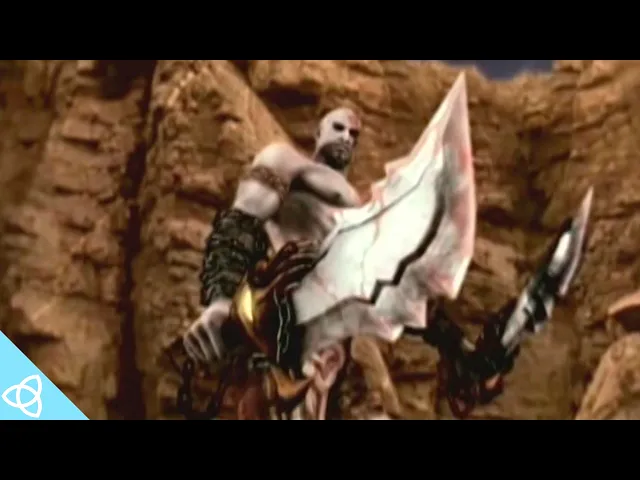
This is where it all began. The Spartan Kratos, tricked into serving the gods of Olympus, sets out to kill Ares, the god of war — and sets the template for cinematic hack and slash along the way: the chained Blades of Chaos, context finishers, and ancient-world spectacle. The 2005 game only ever released on PlayStation consoles and never made the jump to PC, but it's what turned Kratos into an icon and defined what epic melee action looked like for a decade. On PS2 it holds 94 on Metacritic. To see where modern God of War comes from, this is the start.
Darksiders III
The third chapter of the post-apocalyptic saga about the Horsemen of the Apocalypse casts you as Fury — a hot-tempered rider hunting the Seven Deadly Sins. Structurally it's a Metroidvania: one interconnected world you loop back through as new abilities open up. Combat revolves around a whip and swapping elemental forms, and the cost of a mistake is far higher than in past entries — at times Darksiders III flirts with soulslikes and asks you to read enemies rather than mash buttons. Behind its "Mostly Positive" Steam reviews is one of the series' strongest moods: a ruined Earth roamed by demons and angels.
Darksiders (2010)

The whole Horsemen of the Apocalypse saga starts here. You play War — a grim rider framed for triggering Armageddon early and sent to a scorched Earth to prove his innocence. Combat is heavy and showy, built around a giant sword, combos, and a Chaos Form transformation into a demon, while the structure of looping back to old areas as new abilities open up owes a clear debt to The Legend of Zelda. Critics received the 2010 original more warmly than the third game (82 on Metacritic), and the Warmastered Edition remaster sharpened its visuals.
Castlevania: Lords of Shadow
Spanish studio MercurySteam rebuilt classic Castlevania as a big 3D hack and slash. Knight Gabriel Belmont crosses a grim gothic world with a chained combat cross that doubles as both a whip and a climbing hook. Beyond brawls with hordes of undead, there are fights against colossi in the vein of Shadow of the Colossus — you literally clamber up the giants, hunting for weak points. Dark fantasy, an orchestral score, and a surprisingly strong, near-tragic ending (81% positive on Steam) make Lords of Shadow one of the best entries in the series.
Star Wars: The Force Unleashed

A Star Wars hack and slash that hands you Darth Vader's secret apprentice. The main attraction is the Force: you lift enemies into the air, fling them into walls, zap them with lightning, and yank entire starfighters out of the sky. The lightsaber is your core melee weapon and threads into your powers — electrify the blade with lightning, or shove a foe back and leap in for the kill. The story fills the gap between the prequels and the original trilogy and was once treated as near-canon, showing how the Rebellion first stirred. It's a 2009 game, and for weak machines that's a plus: it'll run on almost anything.
Dante's Inferno

A knowing God of War clone that swaps Greek myth for The Divine Comedy — except here Dante isn't the poet but a Templar knight, descending through all nine circles of Hell to reclaim the soul of his beloved Beatrice. Every circle is its own grim set-piece: lust, gluttony, and treachery are staged with morbid imagination, and stunned sinners can be either executed with Death's scythe or absolved with a cross, feeding two upgrade paths. Its derivativeness doesn't stop it being a solid, brutal slasher with a strong visual identity. It launched in 2010 on PS3 and Xbox 360 (73–75 on Metacritic) and never got an official PC release.
Prince of Persia: Warrior Within

The darkest, most combat-focused entry in the classic Prince trilogy. Fleeing the Dahaka — a monster that hunts anyone who dares alter the flow of time — the Prince washes up on an island where he fights with two blades at once. The signature Free-Form Fighting system lets you snatch enemies' weapons, chain strikes, and finish foes against walls and pillars — a revelation in 2004. A grim tone, a heavy-rock soundtrack, and platforming to rival the best made it a cult favorite. Critics gave it 83 on Metacritic, and Steam players still rate it warmly.
New Hack and Slash Games (2023-2025)
The genre isn't just alive — it's surging, with both big blockbusters and bold experiments. Modern hack and slash games take the best of the classics — style ranks, showy combos, demanding combat — and add current-gen visuals, fresh mechanics, and AAA production. If you want something new and gorgeous with no dust on it, start here. These are the most notable releases of the past few years.
Stellar Blade
Korea's SHIFT UP made an action game that started as a PlayStation exclusive and reached PC in 2025. Warrior Eve descends to a ravaged Earth to take it back from monsters called the Naytiba, uncovering what happened to humanity along the way. Combat leans on parries and precisely timed dodges — closer in rhythm to Sekiro than to classic combo hack and slash games, but with its own set of moves and finishers. It's praised for responsive controls, boss design, and one of the prettiest semi-open zones in the genre, and it holds 94% positive on Steam.
Black Myth: Wukong
One of 2024's biggest hits: over a million Steam reviews and global fame for Chinese studio Game Science. It's rooted in the classic novel Journey to the West, and it hands you the Destined One, an ape-like warrior wielding a staff that can stretch, shrink, and vault him over gaps. The hero himself transforms into fallen creatures and borrows their powers, while the staff comes with three combat stances and spells like the immobilizing "pillar." In spirit it's closer to a hack and slash than a soulslike — the focus is combos, stances, and dodges — though its punishing difficulty and boss design tie it to both camps at once, which is exactly why people still argue about its genre. And the visuals stand out: Black Myth is one of the best-looking games of its year, with locations built from Chinese mythology down to the smallest detail.
Ninja Gaiden 4
The sequel to the cult series landed in 2025, built by two studios at once — Team Ninja and PlatinumGames, i.e. the original's authors and the makers of Bayonetta. At its center is a new hero, Yakumo of the Raven clan, mentored by the legendary Ryu Hayabusa — who returns as a playable character in his own right, too. The trademark harshness is intact — fast combat, a pile of weapons, vicious enemies — but new systems arrive too, like bloody energy that powers up special moves. Ninja Gaiden 4 pulled "Very Positive" Steam reviews, and for anyone who waited for the return of one of the most uncompromising action series, it was the event of the year.
Hi-Fi Rush
A rhythm-driven hack and slash where the entire world moves to the beat — enemies, platforms, background props, even the flickering lights. Guitarist Chai, fitted with a mechanical arm, smashes an evil corporation's robots, and the tighter you land hits on the beat, the stronger and flashier your combos. The game shadow-dropped with no announcement and became an instant hit for its bright cartoon style, sense of humor, and killer soundtrack — 90 on Metacritic and "Overwhelmingly Positive" Steam reviews. A nice bonus: Hi-Fi Rush is light on hardware and runs even on a modest machine.
Wo Long: Fallen Dynasty
Team Ninja — the Nioh studio — took ancient China during the Yellow Turban Rebellion and built a grim action game on the border of hack and slash and soulslike. You play a nameless militia soldier, and the whole fight revolves around the Deflect mechanic: a precise parry drains an enemy's spirit gauge and opens them up for a killing blow, so defense here is more aggressive than offense. Demons of Chinese myth, huge bosses, and a steep price for mistakes — the studio's fingerprints are all over it. Critics received it well (79–80 on Metacritic across platforms); players argue harder. It's a separate new IP, not "Nioh 3."
Dynasty Warriors: Origins
If you want one crowd-clearing brawler where a single hero scatters whole armies, this is it. Origins reboots the musou series from Omega Force and is its best-reviewed entry (84 on Metacritic on PC): you play a nameless amnesiac wanderer nicknamed Ziluan in the era just before the Three Kingdoms. What sets it apart from older Dynasty Warriors is weight — fewer enemies on screen but each one matters, and Battle Arts on a Bravery gauge let you call an allied officer straight into your combo chain. On Steam, players are firmly won over. A great way into musou for anyone who used to skip the series.
Prince of Persia: The Lost Crown
Technically a Metroidvania, but its combat has grown into a full-blown combo slasher — parries, aerial strings, enemy juggling. You play Sargon, a young warrior of the Immortals sent to the mythical Mount Qaf to rescue a kidnapped prince. The combat hook is the Shadow of the Simurgh: you leave a ghostly double behind and teleport to it at will, turning both fights and platforming into an elegant dance. It's Ubisoft's best-reviewed game in years — 85–86 on Metacritic, "Very Positive" on Steam. It only reached Steam in August 2024, after half a year of Epic Games Store exclusivity.
Japanese and Anime Action
Japan gave the genre a huge share of its classics, and its action games have an unmistakable signature: anime aesthetics, charismatic leads, unusual combat systems, and stories unafraid to get weird. These games hook you less with combat than with atmosphere — fantastical worlds and dramatic plots. If Japanese pop culture speaks to you, or you just want something with real character, start here.
NieR: Automata
A philosophical action game from director Yoko Taro and studio PlatinumGames about androids waging war for a deserted Earth against machines. The combat is fast and flashy, with on-the-fly weapon swaps and a Pod companion for gunfire — but that's not the point. NieR: Automata only reveals itself across several playthroughs: each shifts the perspective, adds new scenes, and sometimes whole genre detours like a shoot-'em-up or a text adventure. Its true ending completely reframes the entire story and poses questions the player answers well beyond the screen. It's one of the most unusual projects in the genre, with a deserved cult status — an 84 on Metacritic and years of glowing Steam reviews.
Bayonetta 2
A sequel many rate above the original. This time Bayonetta descends into the inferno herself to save a friend, and the combat is even more generous: the signature Umbran Climax briefly turns every strike into a summoned-demon attack, filling the screen with mayhem. The same dizzying tempo and the same combos of magic, gunplay, and melee, polished to a mirror shine — this is the peak of PlatinumGames' style. On Metacritic it lands at 91–92. The game was a Nintendo console exclusive — first Wii U, then Switch — and it never reached PC, but skipping it in a genre talk is impossible.
Bayonetta 3
The third entry sends Bayonetta across the multiverse to stop a threat called the Singularity. Its big new idea is Demon Slave: rather than just summoning demons for finishers, the witch now directly pilots giant beasts in real time, leaving herself vulnerable as she does. Across several chapters you play a new heroine, Viola, with her own katana-and-parry style. The story split fans, but the staging and combat hold Platinum's usual bar. Critics settled on 86, and it stays a Switch exclusive with no PC version.
Astral Chain
The most unusual combat PlatinumGames has built: you control two fighters at once — a Neuron task-force rookie (you pick the name) and a chained bio-weapon called a Legion. The Legion fights on its own, but the chain between you is a tool in itself: use it to bind enemies, reel yourself in, and set traps. It all unfolds in the megacity of the Ark, under attack by creatures from another dimension. Takahisa Taura directed, and it's his moment. Metacritic has it at 87. A Nintendo Switch exclusive that never made it to PC.
The Wonderful 101: Remastered
A wild slasher-puzzle hybrid from PlatinumGames: you don't control one hero but a whole squad of Sentinel superheroes that folds on the run into a giant weapon — a fist, a sword, a gun — along a line you draw on screen. Schoolteacher Will Wedgewood becomes the superhero Wonder-Red and leads that crowd against the alien GEATHJERK invasion. The Unite Morph mechanic baffles at first, but once it clicks you get one of the studio's most original action games. The 2020 remaster finally brought it to PC (85 on Metacritic) — the original was a Wii U exclusive, and Platinum published the re-release itself.
Nioh 2
Team Ninja braids samurai combat with Japanese mythology here: the hero duels yokai, then summons demonic power to briefly turn into a monster himself. In structure and difficulty Nioh 2 sits closer to soulslikes — shrine checkpoints, respawning enemies, a steep price for mistakes — but its combat system is far richer: three combat stances per weapon, dozens of arms, deep progression. It carries an 86 on Metacritic, with "Very Positive" Steam reviews. If it pulls you toward that side — the hardcore, high-stakes end of things — check out a separate list of games like Dark Souls.
Scarlet Nexus
An anime action game from Bandai Namco with a neat hook: people with paranormal powers defend humanity from the Others — grotesque creatures that rain down from the sky. Its signature is psionics: the hero uses telekinesis to lift cars, debris, and whole buildings and hurl them at foes, alternating with sword strikes. You can briefly borrow squadmates' abilities too, from invisibility to time acceleration. With a 78 on Metacritic Scarlet Nexus flew under the radar of the louder hits, but its bright cyberpunk look, two campaigns from different heroes, and snappy pace make it one of those games that unfairly stay in the shadows.
Granblue Fantasy: Relink
A co-op anime action-RPG set in the popular franchise, where a party of four travels a world of floating islands. There are more than twenty characters, each with a distinct style and set of flashy moves, and the fights against giant bosses are tuned for team play — with three friends or with bots. Its colorful art and responsive combat earned Granblue Fantasy: Relink 90% positive on Steam, but it truly opens up after the credits: tough boss raids unlock, and they're the reason to keep leveling and re-outfitting your favorites and sharpening the squad's coordination.
No More Heroes III
Suda51 at his most unhinged: otaku assassin Travis Touchdown returns to Santa Destroy and once again hacks his way up an assassin ranking — this time against alien superheroes. He fights with a beam katana (read: a lightsaber) that drains mid-battle, and you recharge it with a wrestling move on a stunned enemy — the series' signature absurdity. Around it swirls trash, postmodern jokes, and open mockery of the genre, which is exactly why people love it. This is the third numbered entry, not to be confused with the spin-off Travis Strikes Again. It hit Switch in 2021 and PC and other consoles in 2022 (OpenCritic 76, "Mostly Positive" on Steam).
Onimusha 2: Samurai's Destiny
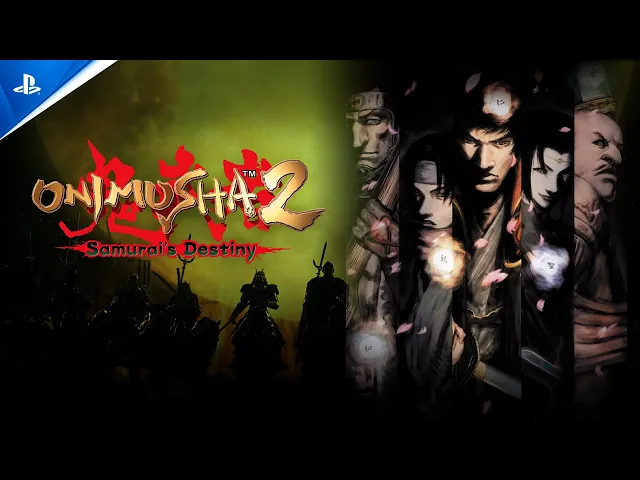
A fresh remaster of Capcom's PS2-era classic: the samurai Jubei Yagyu, gifted with Oni power, sets out to avenge his burned village against Nobunaga Oda himself, risen from the dead at the head of a demon horde. Combat centers on the Issen — a precisely timed counter that kills in one touch and chains across several enemies at once; mastering it is what makes you feel like a true swordsman. This is a separate hero and story, not to be confused with the first Onimusha and its Samanosuke. The 2002 original scored 84 on Metacritic; the 2025 remaster sharpened the visuals and controls, and Steam players have embraced it.
Great on Low-End PCs
A hack and slash rarely needs a powerful PC: the genre is mostly about gameplay, not graphics, and there are plenty of games here that fly on office machines and old laptops. Often these are among the genre's finest, too — stylized art ages slower than photorealism. If your rig is far from top-tier but you're itching for a fight, this section is for you.
Katana ZERO
A 2D hack and slash about a samurai assassin who lives by one rule: one hit, one kill. A single strike drops enemies and you alike, so every level is a reaction puzzle — you plan the exact order of actions, and on failure the scene instantly rewinds like tape you're rewatching. Time-slowing, bullet-deflection, a sharp dialogue system where you can cut people off mid-sentence, and a jagged neo-noir story set to synthwave earn Katana ZERO a 98% "Overwhelmingly Positive" rating on Steam. It weighs next to nothing and runs on literally anything, from an old laptop to an office PC.
Dead Cells
Strictly speaking this isn't a pure slasher but a roguelite Metroidvania — yet its slasher combat is so good you can't leave it out. A nameless prisoner possesses a headless body and hacks through a procedurally assembled castle again and again: death sends you back to the start, but unlocked moves and weapons stay. The arsenal is huge and freely combined — shield and bow, twin turrets, poisoned blades — and the frantic pace and responsive controls pull you into hundreds of runs. It scores 89 on Metacritic (PC) and 97% "Overwhelmingly Positive" on Steam, and it runs on literally anything.
Darksiders Genesis
A Darksiders spin-off with a top-down, Diablo-style view but the series' trademark combat intact. It introduces the fourth Horseman, Strife, and you can play in two-player co-op, swapping between him and War from the first game. The isometric camera and modest requirements make Genesis noticeably lighter on hardware than the mainline entries, and its "Very Positive" Steam reviews confirm the brawling, puzzles, and dungeon runs are all still here. A good way to stretch your legs in the Darksiders world without taxing your computer.
Transformers: Devastation
An unjustly forgotten slasher: PlatinumGames took the Transformers in their 1980s cartoon style and turned them into lightning-fast action. You get five playable Autobots led by Optimus Prime, and the trick is that you can shift from robot to vehicle mid-combo — ram a foe on wheels, come out of the roll with a sword strike. The classic G1 look, a punchy fight system, and Decepticon bosses make it a little gem, and it runs easily on a modest PC. Critics landed on 74, but Steam reviews are "Very Positive" (93%) — a case of players rating it above critics.
Assault Spy
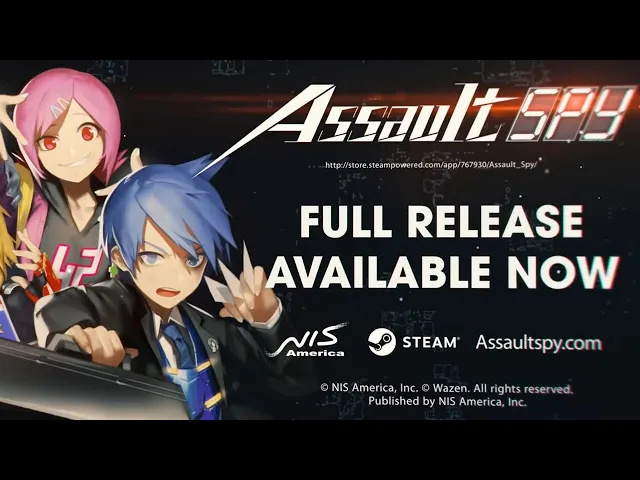
An indie slasher built by PlatinumGames alumni — and it shows in every move. Corporate spy Asaru investigates a megacorporation's dirty dealings, and the combat rests on high-speed dashes through attacks: a precise dash turns an enemy's blow into an instant counter, while an Overclock mode slows time for long strings. Behind the modest budget hides a surprisingly deep combat system with style ranks — a direct descendant of Devil May Cry. It left early access back in 2018 and, at 92% positive on Steam, punches well above its modest budget.
Hack and Slash Games FAQ
What are hack and slash games?
Hack and slash games are an action genre where a hero cuts through crowds of enemies in melee with bladed weapons — swords, scythes, blades. The focus is fast combat, long combos, and spectacular boss fights, often with a style-rank system on top. The purest, combo-driven examples — Devil May Cry, Bayonetta, Ninja Gaiden — are also called character action games. It has nothing to do with slasher horror films.
What's the difference between hack and slash and soulslike games?
Hack and slash is about speed, aggression, and pretty combos, where you set the pace. Soulslikes are about caution, stamina, and a high price for mistakes, where enemies dictate the tempo. Some games like Nioh 2, Wo Long, and Black Myth: Wukong sit on the border and borrow a bit from both.
What is the best hack and slash game?
Many name Devil May Cry 5 and Bayonetta as the gold standard, for combat depth and the chase for a high rank. If you want a big story, start with God of War; for recent hits, head to Black Myth: Wukong or Ninja Gaiden 4. It comes down to what you're after — pure combat or a narrative adventure.
Are there good hack and slash games for a low-end PC?
Yes. Katana ZERO, Dead Cells, Hi-Fi Rush, Transformers: Devastation, and Darksiders Genesis run great on modest machines and lose nothing to heavy blockbusters in quality. Stylized graphics age slowly, so these games still look clean years later.
What new hack and slash games came out in 2025?
2025 brought Ninja Gaiden 4 from Team Ninja and PlatinumGames, the Ninja Gaiden 2 Black and Onimusha 2 remasters, the musou reboot Dynasty Warriors: Origins, and the PC version of Stellar Blade. Together they show the genre is on the rise again.
Hack and slash or character action — what's the difference?
Character action is a narrower term inside the hack and slash umbrella. It describes the Devil May Cry, Bayonetta, and Ninja Gaiden lineage specifically — style ratings, deep combos, aerial juggles — rather than any melee game. Broad "hack and slash" also covers loot ARPGs and Musou-style crowd-clearers; this list sticks close to the character action core.
So which hack and slash game is your favorite? Tell us in the comments what we missed — and which one you'd happily S-rank for the third time.
Pon a las leyendas del género en un duelo uno contra uno: ¿quién saldría victorioso?
What Else to Play
If 40 hack and slash games weren't enough, the genre has close relatives. Right next door are fighting games — the same cult of combos and timing, just one on one; if you'd rather test yourself against a live opponent than a crowd of bots, check out a separate list of the best fighting games. And below are three action games that didn't make the main list but sit right beside it, hooking you with the same melee and sense of speed.
Sifu
A kung-fu action game with an unusual aging mechanic: every death ages the hero several years — damage climbs with the gray hair, but the life pool shrinks, and the whole run becomes a race to avenge your murdered father before you grow old. The hand-to-hand combat is deep and demanding: blocks, parries, and finishers through the environment and props at hand, with real Pak Mei kung fu underpinning the moves. Five districts, five bosses, and between them the endless polishing of a single route. Sifu holds 92% positive on Steam.
Ghostrunner
A first-person speed hack and slash about a cyborg ninja in a vertical cyberpunk city clawing toward the sky. One hit kills you and the enemy alike, so everything rests on parkour, air dashes, and instant restarts after death — levels are built like lethal obstacle courses. The katana kills in a single stroke, and abilities like bullet deflection and a dash through enemies open up as you go. On Steam it holds 91% positive and a reputation as one of the fairest die-and-retry action games around — a short, sharp burst rather than a hundred-hour epic.
Warhammer: Vermintide 2
A first-person co-op hack and slash, and the sequel that grew the original with new enemy factions and a full talent-tree overhaul: a party of four cuts through hordes of ratmen Skaven and Chaos warriors in Warhammer's grim End Times. The melee here is among the best in the genre — weapon weight, blocks, and clean headshots all land physically, while five heroes with fifteen or so careers and piles of gear deliver hundreds of hours of replay value. Behind its 85% positive Steam reviews stand a lively community and endless runs at ever-higher difficulties.
Los mejores juegos de PC y consola para hombres
- TOP 29: Los mejores juegos de caza para PC y consolas
- Los 67 mejores juegos FPS de 2026: shooters en primera persona para PC, PS5, Xbox y Switch
- 35 Juegos Más Difíciles Para PC y Consolas en 2026
- Disparadores de Zombies: Los Mejores Juegos en PC, PS4, PS5, Xbox y Switch
- Los 70 mejores juegos de terror de todos los tiempos (2026)
- Los 20 mejores juegos battle royale de 2026 (PC, consolas y móviles)
- Los mejores juegos de RTS de todos los tiempos: los 29 mejores desde Dune 2 hasta Tempest Rising
- Mejores Juegos de Carreras
- Mejores Juegos de Supervivencia en PS4 y PS5: Más de 40 Selecciones desde The Last of Us hasta Subnautica
- Los mejores juegos de terror cooperativos: los títulos más aterradores para jugar con amigos
- Los mejores juegos de supervivencia para PC: más de 65 opciones, de Valheim a Subnautica
- 19 Mejores Juegos de Detective en PC y Consolas: Misterios de Asesinato, Puzzles de Deducción y Sims de Detective
- Mejores juegos de policía y agentes en PC y consolas: de patrullas a fuerzas especiales
- Mejores Juegos para Steam Deck, Asus ROG Ally, Lenovo Legion Go en 2026
- Los Mejores Juegos de Sigilo de Todos los Tiempos: Top 36 en PC y Consola
- Los 35 mejores juegos de lucha para PC, PS5, Xbox y Switch
- Juegos como Mafia: 20 juegos de acción criminal con el mismo ADN
- 30 Mejores Juegos de Samurai en PC y Consolas: Mundos Abiertos, Soulslikes, Musou y Juegos de Estrategia
- 25 Mejores Juegos de Caballeros en PC y Consolas: Combate con Espadas, RPGs y Estrategia
- 44 mejores juegos de la Segunda Guerra Mundial en 2026: shooters, estrategia y simuladores para PC
