
Marvel's Wolverine y el cansancio de la fórmula de Sony: por qué el juego ya recibe críticas
 Fazil Dzhyndzholiia
El 13 de agosto, medios especializados y creadores de contenido compartieron sus primeras impresiones de Marvel's Wolverine. Esto nos permitió hacernos una idea mucho más clara de qué esperar del juego, además de ver un montón de nuevas secuencias de gameplay. Con el lanzamiento previsto para septiembre, una oleada de avances como esta no sorprendía a nadie: es una parte habitual del ciclo de marketing de las exclusivas de Sony. Lo inusual, sin embargo, fue la reacción abrumadoramente negativa de los jugadores. Podrías pensar que un éxito de taquilla de Insomniac Games protagonizado por un superhéroe tan querido como Wolverine tiene el éxito asegurado, pero la reacción negativa en internet se ha vuelto tan intensa que ahora resulta difícil hacer predicciones. Veamos qué es exactamente lo que no les gusta del juego a los jugadores y si toda esta hostilidad está justificada.
¿Qué tipo de juego es Marvel's Wolverine?
El juego transcurre en la Tierra-1048, el mismo universo de los títulos de Spider-Man de Insomniac. Los X-Men aún no han aparecido y el público apenas sabe de la existencia de los mutantes. Aun así, ya sufren persecuciones: los secuestran, los estudian y los usan en experimentos.
Al comienzo de Marvel's Wolverine, Logan ya tiene el esqueleto de adamantium, pero apenas recuerda su pasado. Durante un tiempo trabajó para Nathaniel Essex —Mister Sinister en los cómics— y cumplió misiones como miembro del Equipo X, un grupo de mutantes que protege a los suyos por todo el mundo. Mystique y Sabretooth lucharon junto a Wolverine, aunque la relación entre los tres distaba mucho de ser amistosa. Cuando empieza la historia principal, Wolverine lleva varios años fuera del Equipo X, pero vuelve a unirse al grupo para una operación de rescate de Essex.
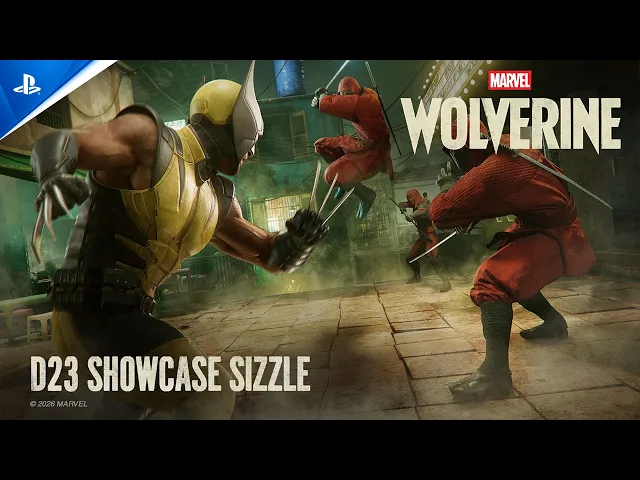
Aunque es otro juego de Marvel con licencia desarrollado por Insomniac, es importante no esperar algo en la línea de Marvel's Spider-Man 2. Marvel's Wolverine no presenta una gran ciudad de mundo abierto por la que los jugadores puedan desplazarse libremente entre misiones, buscar actividades aleatorias y despejar zonas señaladas en el mapa. En cambio, es un juego de acción lineal de los de toda la vida, dividido en misiones.
Eso no significa que todo el juego transcurra por pasillos estrechos. Algunas misiones incluyen zonas bastante amplias con patrullas enemigas y varias formas de abordarlas. Wolverine puede observar el entorno, localizar enemigos con sus sentidos agudizados, reducir sus filas en silencio y, solo entonces, lanzarse al combate abierto.
Entre misión y misión también hay secuencias más tranquilas, centradas en las conversaciones y la exploración del entorno. El Princess Bar de Madripoor y las calles de alrededor hacen las veces de centro de operaciones. Allí, Logan se reúne con sus aliados y habla con Jean Grey, Mystique y Sabretooth. En el bar, los jugadores también pueden cambiarle el atuendo y personalizar el aspecto de sus garras. Aún no está claro con qué frecuencia volveremos a este lugar.
Como cabía esperar, el combate es el gran atractivo de un juego protagonizado por Wolverine. El sistema gira en torno a los ataques ligeros y pesados, las esquivas, los bloqueos y los movimientos especiales. Logan puede acortar distancias rápidamente saltando hacia un enemigo seleccionado con las garras extendidas, para después desatar una serie de ataques y rematarlo con un golpe poderoso. En general, el combate recuerda a Marvel's Spider-Man y a los juegos de Batman: Arkham, pero la cámara está más cerca del protagonista y las animaciones parecen más agresivas y brutales gracias a la abundancia de sangre. Logan cercena extremidades, empala a sus enemigos y usa sus propias armas contra ellos. Es casi seguro que el juego acabará en nuestro ranking de los juegos más brutales.

En algunas secuencias, otros miembros del Equipo X luchan junto a Wolverine y lo ayudan a ejecutar ataques cooperativos. Sin embargo, la principal diferencia respecto a los juegos de Spider-Man de Insomniac es el medidor de furia, que se llena durante el combate. Tiene 3 niveles. En el segundo, los combos de Logan se vuelven más potentes y desbloquea Last Stand, una habilidad que le permite recuperarse de una herida mortal al gastar la furia acumulada para restaurar su salud. En el tercer nivel, Logan entra en estado berserker: sus ataques se vuelven mucho más poderosos y puede rematar al instante a los enemigos normales con golpes críticos.
Los sentidos agudizados de Logan le permiten ver rastros, localizar enemigos y planear eliminaciones sigilosas. Wolverine puede acercarse a hurtadillas a los guardias, esconderse entre la hierba alta y acabar con objetivos aislados antes de que lo detecten. Sin embargo, a juzgar por el gameplay mostrado hasta ahora, el sigilo parece claramente un sistema secundario, así que todavía es pronto para incluir el juego entre los mejores juegos de sigilo.
Marvel's Wolverine también cuenta con un sistema de progresión: las bajas otorgan XP, que luego se puede gastar para desbloquear nuevos movimientos especiales. También es posible mejorar los atributos básicos, como la salud máxima de Logan, la eficacia de su regeneración, la capacidad del medidor de furia y varias bonificaciones pasivas. Los materiales de mejora están ocultos en contenedores repartidos por los niveles, lo que anima a explorar habitaciones opcionales y desviarse de la ruta principal, incluso en misiones que, por lo demás, son lineales.
¿Estás emocionado por Wolverine de Marvel?
¿Por qué están descontentos los jugadores?
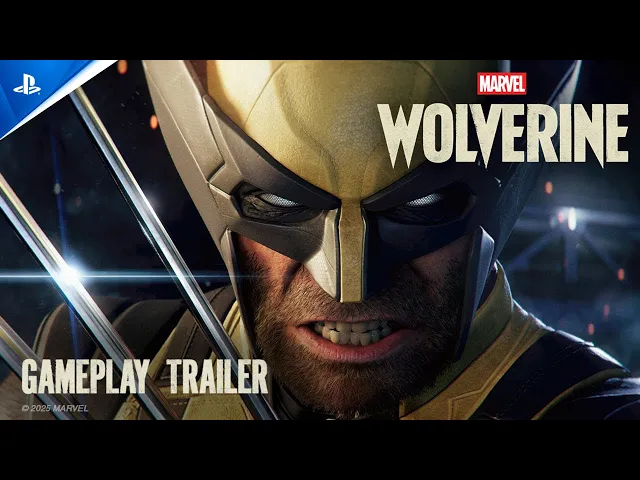
Para empezar, conviene señalar que a muchos jugadores les gustó lo que vieron. Aun así, es difícil ignorar la reacción negativa en las redes sociales, que no se puede atribuir a un único problema. A algunos no les gusta el aspecto de los personajes; otros critican el combate, y otros tantos cuestionan toda la filosofía de diseño. Todas estas quejas tienen algo en común: la idea de que Insomniac no está creando un juego de Wolverine único, sino otro éxito cinematográfico más de Sony.
El aspecto del protagonista es objeto de críticas desde el tráiler de junio. En las redes sociales, algunos sostienen que Logan no parece lo bastante serio en ciertas escenas y que sus expresiones faciales recuerdan a muecas de dibujos animados. El problema tiene menos que ver con la calidad gráfica que con la dirección artística. La gente esperaba un Logan más curtido, oscuro y desgastado. Y sí, no es ni mucho menos la primera polémica de este tipo para Insomniac: basta recordar el cambio de rostro de Peter Parker en Marvel's Spider-Man Remastered.
Las secuencias cinematográficas también han sido objeto de muchas burlas. En uno de los clips, Wolverine corre hacia delante bajo el fuego enemigo mientras las explosiones sacuden el escenario y todo se derrumba a su alrededor. Se ve caro y espectacular, pero los jugadores bromean con que la participación del jugador se limita a mantener la palanca hacia delante.
El sistema de combate también ha sido tachado de simplista. Las secciones de comentarios están llenas de bromas sobre que basta con pulsar el mismo botón una y otra vez para ganar. Es evidente que eso no es cierto, pero parece que internet ya ha dictado sentencia. A decir verdad, muchos ataques activan animaciones largas en las que Logan agarra, empala y lanza a un enemigo sin que el jugador tenga que hacer nada más. Desde fuera, sí puede parecer que apenas se participa.

También ha recibido críticas el combate contra un Sentinel, un enorme jefe mecánico. El robot balancea los brazos lentamente mientras Wolverine esquiva sus golpes y contraataca. El jefe deja el puño en el suelo durante bastante tiempo, lo que da al jugador todo el margen del mundo para acuchillarlo con las garras. La gente enseguida recordó no solo el combate contra el Coloso de Rodas de God of War 2, sino también muchos otros enfrentamientos contra enemigos parecidos, incluido el del robot en el propio Ratchet & Clank: Rift Apart de Insomniac. En otras palabras, tampoco ven nada original en esto.
La persecución por los tejados también se convirtió en motivo de bromas. Logan persigue a un enemigo siguiendo un rastro rojo que literalmente le indica el camino. La línea representa el olor que Wolverine percibe gracias a sus sentidos agudizados. Sin embargo, a los jugadores les molesta tener que seguir una ruta trazada de antemano.
La idea de incluir sigilo en un juego de Wolverine tampoco convenció a todo el mundo. En las redes sociales, algunos se quejan de que Sony vuelve a recurrir a la misma fórmula: los jugadores deben esconderse entre la hierba alta y rastrear a los enemigos por sus siluetas. Ya hemos visto todo esto antes, y más de una vez.
¿De verdad es tan malo?
Como no he jugado a Marvel's Wolverine, obviamente no puedo sacar conclusiones precipitadas sobre su calidad. Eso es algo que parecen haber olvidado muchos jugadores que se apresuraron a criticar el proyecto. Por otro lado, a juzgar únicamente por el material mostrado hasta ahora, tampoco parece que Marvel's Wolverine vaya a ser una obra maestra de todos los tiempos.
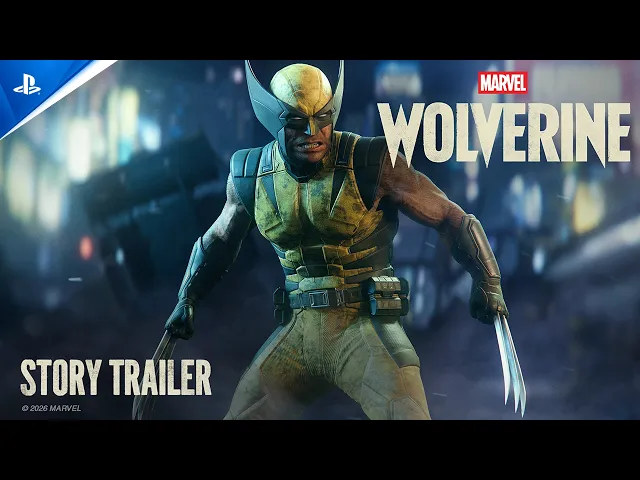
Las impresiones de los periodistas que han jugado a Marvel's Wolverine son, por lo general, positivas, pero tampoco rebosan entusiasmo. A juzgar por el nivel general de emoción que transmiten, parece razonable esperar un juego que ronde el 7-8/10, salvo que, claro está, tenga algún as bajo la manga que aún desconocemos.
Así que sí, las críticas tienen una base racional. Por lo que se ha mostrado, Marvel's Wolverine parece familiar: un proyecto conservador construido a partir de ideas probadas. El problema de todo este debate es que mucha gente equipara una fórmula conocida con un juego malo. Un título de 7-8/10 puede ser pulido, entretenido y merecer plenamente el tiempo que se le dedica. Hoy en día, todo el mundo se apresura a calificar los juegos de obras maestras de 10/10 o de basura infumable, pero esos juicios suelen ser extremos que ignoran los matices. Las opiniones más mesuradas, del tipo «el juego pinta bien, pero no es excepcional», quedan ahogadas por posturas más radicales.
El contexto general

También conviene tener en cuenta que la reacción negativa contra Marvel's Wolverine coincide con críticas más amplias a Sony y bien podría formar parte de esa tendencia. Los jugadores siguen descontentos con la decisión de la compañía de abandonar los discos físicos a partir de 2028, así como con la subida de los precios de los juegos y las consolas, y con la decisión de dejar de lanzar futuros ports para PC. En términos más generales, muchos consideran que la actual generación de PlayStation es floja: esta vez Sony ha lanzado muy pocas exclusivas realmente innovadoras, ha invertido en proyectos de servicio en vivo fallidos y ahora los juegos para un jugador tardan más de 6 años en desarrollarse. Como resultado, muchos estudios de PlayStation solo han lanzado 1 o 2 juegos durante esta generación.
Lo que estamos viendo ahora es la salida de toda esa frustración acumulada. En este caso, Marvel's Wolverine simplemente ha quedado en medio del fuego cruzado. Resulta irónico, teniendo en cuenta que Insomniac sigue siendo el estudio más productivo de PlayStation: en los últimos 6 años ha lanzado Marvel's Spider-Man: Miles Morales, Ratchet & Clank: Rift Apart y Marvel's Spider-Man 2, y ahora está a punto de terminar Marvel's Wolverine.
¿Puede un juego de Wolverine ser realmente innovador?
***
Marvel's Wolverine podría acabar siendo un juego perfectamente bueno al que le tocó salir justo cuando se espera que cada superproducción de gran presupuesto reinvente su género. El problema no es que Wolverine pueda llevarse un 7-8/10, sino que el discurso actual sobre videojuegos trata esa nota como un fracaso.
Al mismo tiempo, tampoco sería justo despachar todo el descontento como toxicidad de los jugadores. No todo el mundo está dispuesto a pagar 70 $ por un buen juego, pulido y construido a partir de elementos conocidos. Cuanto más alto es el precio y más ambiciosa la campaña de marketing, mayores son las expectativas del público y menos impresionado queda por las ideas ya probadas. Las editoras también deben tenerlo en cuenta.
¿Pagarías 70 $ de salida por un juego pulido pero predecible, o crees que cualquier juego a ese precio debería ofrecer algo nuevo? Cuéntanos qué opinas en los comentarios.