Reseña de Marvel’s Wolverine — Una interpretación aburrida de uno de los héroes más fascinantes de Marvel
7.0 Fazil Dzhyndzholiia
Marvel's Wolverine dividió a internet mucho antes de su lanzamiento, comenzando con sus primeros tráilers. Algunos jugadores fueron rápidos en criticarlo, argumentando que se veía terrible, mientras que otros se apresuraron a defenderlo. El debate solo se intensificó tras el lanzamiento, particularmente en medio de una frustración más amplia con la dirección estratégica actual de Sony. Mientras algunos jugadores están llamando al nuevo juego de Wolverine uno de los peores blockbusters AAA de todos los tiempos, ha recibido miles de calificaciones altas en la PlayStation Store. Entonces, ¿qué tan bueno o malo es realmente Marvel's Wolverine? Como suele suceder en estas situaciones, la respuesta se encuentra en algún lugar intermedio: no es un juego completamente terrible, pero sí es decepcionante.
Plataforma: PlayStation 5;
Tiempo para completar: 12 horas.
Wolverine Sin Sus Garras
Marvel's Wolverine comienza con Logan regresando al Equipo X (no confundir con los X-Men) para rescatar a su líder, Nathaniel Essex. Essex una vez encontró a Wolverine salvaje y sufriendo de amnesia, y lo reclutó en su escuadrón. Logan se siente en deuda con él, así que se propone liberar a su amigo de un grupo de fanáticos anti-mutantes. Mystique y Sabretooth se unen a él en la misión.
El conflicto luego se intensifica, y Wolverine conoce a Jean Grey, uniéndose a ella y al Equipo X en más misiones. Logan visita las exóticas calles de Madripoor y viaja a Tokio, luchando contra mercenarios cyborg, un antiguo culto ninja y robots. Mientras tanto, sus relaciones con Jean Grey y sus otros compañeros se desarrollan: se forman nuevas alianzas, viejas amistades se desmoronan, y Wolverine gradualmente aprende más sobre su pasado.
La paradoja de Marvel's Wolverine es que, a pesar de sus frecuentes cambios de escenario, abundancia de espectaculares secuencias cinematográficas al estilo Uncharted, y una campaña relativamente corta de 10 a 12 horas, se siente sorprendentemente alargada. Hay varias razones para esto. Por un lado, su estructura es bastante repetitiva: te apresuras a través de niveles lineales con poco espacio para explorar, y cada misión sigue la misma fórmula. Lucha contra algunos enemigos, corre hacia la siguiente arena de combate mientras charlas con un compañero y examinas un par de objetos en el camino, lucha de nuevo, mira una cinemática, luego salta a otra batalla.

Marvel's Wolverine dedica mucho tiempo al diálogo y a las relaciones entre sus personajes, hasta el punto de que siguen hablando incluso durante las peleas. Sin embargo, no hay mucha profundidad en estos personajes, y su diálogo es insípido y exagerado, del tipo que esperarías de una película de superhéroes olvidable. Nuevamente, el verdadero problema es que nunca dejan de hablar. Incluso en las raras ocasiones en que Logan se encuentra solo, inevitablemente está charlando con alguien por los comunicadores o hablando consigo mismo.
Es difícil de entender cómo los escritores de Insomniac lograron tomar a Wolverine, uno de los personajes más queridos e interesantes de Marvel, y convertirlo en un protagonista casi completamente genérico. Lo que siempre ha hecho distintivo a Logan es que, sí, es un héroe, pero uno trágico, con una oscuridad interior que a veces lucha por contener. Esa es precisamente la razón por la que a menudo aleja a sus amigos y seres queridos. Wolverine no encaja del todo en el molde convencional del antihéroe, pero ciertamente no es un altruista que sería el primero en ayudar a una anciana a cruzar la calle. Es una máquina de matar, un animal salvaje cuyo lado más suave requiere esfuerzo para alcanzar.

En el nuevo juego, sin embargo, la personalidad de lobo solitario de Logan es mayormente charla. En la práctica, rara vez choca con alguien, hace bromas y aguanta mucho de Sabretooth, apenas respondiendo. He visto Spartacus con Liam McIntyre, y reconozco que es un actor talentoso. En Marvel's Wolverine, sin embargo, su Logan pasa la mayor parte del juego mirando a todos con una expresión de pena, mostrando raramente la brusquedad y la agresión alimentada por la testosterona que son partes esenciales del personaje. Para ser justos, la culpa probablemente recae más en la escritura que en el actor: la historia no le da la oportunidad de explorar completamente el lado animal de Wolverine.
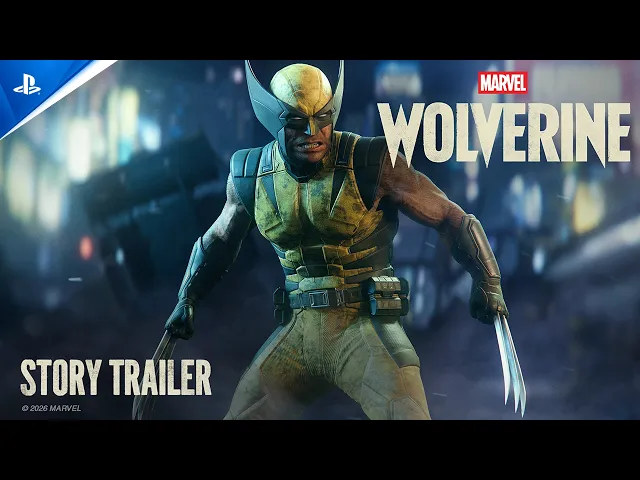
La animación facial también es cuestionable. Cuando Logan finalmente se enfurece, hace poco para transmitir la sensación de que estás mirando a un monstruo que ha perdido todo control. Puedes ver esa ferocidad en la actuación de McIntyre en los videos promocionales, pero la ejecución en el juego en sí deja mucho que desear. Esto es especialmente notable si, como yo, has terminado recientemente Death Stranding 2, con sus impresionantes rostros digitales realistas.

Con Wolverine perdiendo su filo y el diálogo lleno de clichés convirtiéndose en un ruido de fondo constante, es fácil perder interés en la historia. Hay demasiados personajes aburridos aquí, a pesar de que todo el elenco claramente está haciendo su mejor esfuerzo para elevar el material débil. Desde una perspectiva narrativa, el juego podría haber funcionado mucho mejor como una aventura en solitario más íntima para Logan: una historia centrada puramente en su conflicto con el clan ninja, por ejemplo, en lugar de una búsqueda difusa para salvar el mundo.
Un Juego Que Se Juega Solo
Si no esperas que Marvel's Wolverine iguale la escritura de Marvel's Spider-Man y en su lugar lo tratas como un blockbuster de la era PS3 con gráficos modernos, puedes pasar por alto muchos de sus defectos. Como alternativa a una película de acción cuando quieres desconectar después de la escuela o el trabajo, cumple su función. Pero hay un inconveniente: espera que te desconectes por completo. ¿Cómo más explicas lo agresivamente que Marvel's Wolverine te lleva de la mano?
Como se mencionó anteriormente, los niveles son extremadamente lineales: esencialmente una cadena de arenas de combate interrumpidas por secciones de plataformas básicas o tramos donde examinas objetos en el entorno. Todo está dispuesto de tal manera que casi siempre estás corriendo directamente hacia adelante, aparte de algunas misiones en Tokio y Madripoor con mapas ligeramente más grandes. Aun así, el juego te dice constantemente exactamente a dónde ir. Lo hace ya sea a través de pintura blanca salpicada en cada objeto interactivo o, más explícitamente, a través de un rastro azul que lleva a tu objetivo. Rastro similares también te guían hacia botellas de whisky, los coleccionables del juego, mientras que los cofres que contienen materiales para crear trajes pulsate en la pantalla con un brillo azul. Eso sin contar el sonido que hace tu controlador cuando te acercas a ellos.

El juego es obsesivo en asegurarse de que no te pierdas nada. Este enfoque podría ser algo comprensible en un juego de mundo abierto, pero este es un juego de acción lineal. Durante mi partida, los desarrolladores incluso lanzaron un parche que redujo el rastro azul y los efectos de pulsación, aunque eso poco hace para abordar el problema subyacente. Incluso si las pistas eventualmente pueden ser desactivadas por completo, el diseño de los niveles en sí seguirá siendo insultantemente simple. Ese es el problema central: Marvel's Wolverine está posicionado como un juego brutal y sangriento para adultos, sin embargo, trata a sus jugadores como si fueran niños pequeños incapaces de hacer algo por su cuenta. Este es un problema más amplio con muchos juegos de Sony, pero aquí alcanza extremos absurdos.
Los QTE son particularmente desconcertantes. Primero, muchos de ellos se pueden completar presionando un botón completamente diferente al que se muestra en la pantalla. Segundo, generalmente no necesitas presionar nada en absoluto: espera un momento, y el QTE se completa solo. El juego está lleno de costosas cinemáticas, y es comprensible que crear animaciones de fallo para cada una de ellas aumentaría el costo. Pero eso plantea una pregunta: ¿por qué incluir la mecánica en absoluto si no estás preparado para implementarla correctamente?
Wolverine en la Ruta de la Guerra

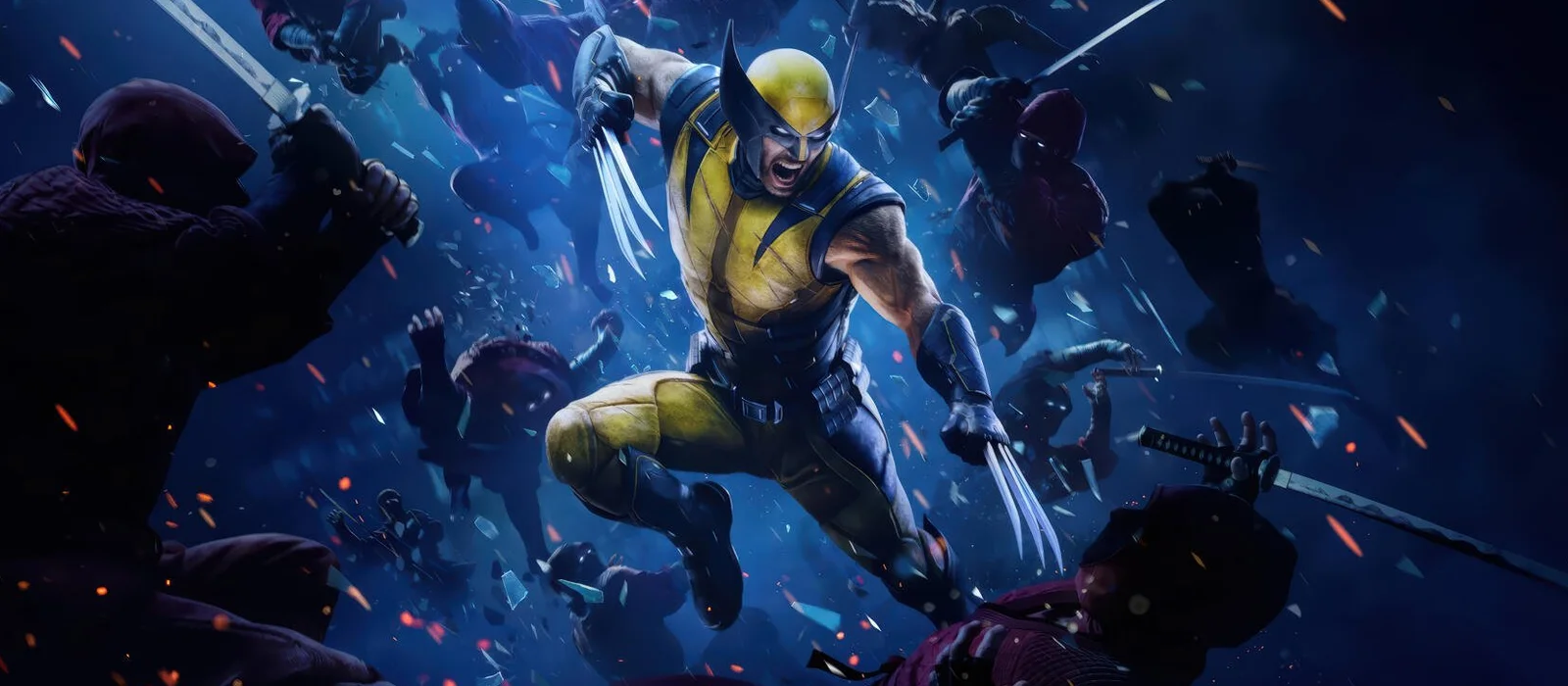
El combate es la mejor parte de Marvel's Wolverine, pero incluso eso viene con advertencias. Se asemeja al combate en los títulos de Spider-Man de Insomniac Games o en la serie de Batman. Los fundamentos son los mismos: lucha contra una multitud de enemigos, salta de un oponente a otro, esquiva o bloquea ataques, y usa movimientos especiales periódicamente a medida que se enfrían. Aquí, sin embargo, todo está acompañado de impresionantes animaciones mientras Logan convierte a sus enemigos en pulpa sangrienta. La acción se ve particularmente bien cuando el medidor de rabia de Wolverine se llena, permitiéndole eliminar enemigos regulares con finalizaciones rápidas. Cada movimiento fluye suavemente al siguiente, haciendo que toda la escena parezca coreografiada aunque todo se desarrolle dinámicamente.
Pero ese es el lado visual. En términos de variedad de jugabilidad, el combate es algo monótono: no hay muchos movimientos especiales, y no hay suficientes tipos de enemigos para un juego que consiste en luchar aproximadamente el 70% del tiempo. Los desarrolladores ocasionalmente introducen nuevos giros, como las cuchillas enemigas que se clavan en el cuerpo de Logan y ralentizan su regeneración. En gran medida, sin embargo, el sistema de combate de Marvel's Wolverine apenas evoluciona a lo largo de la campaña: estás haciendo las mismas cosas en el final que hacías en las horas iniciales. En pequeñas dosis, estas peleas son lo suficientemente agradables, pero cuando una arena de combate lleva directamente a otra, y luego a otra, todo dentro de cinco a diez minutos, comienzas a rodar los ojos.

Desde que Insomniac Games decidió incluir un elenco de superhéroes, debería haber dado al menos un par de misiones a otros personajes jugables. Sí, a pocas personas les gustaron las secciones de Mary Jane en los juegos de Spider-Man, pero jugar como una persona ordinaria es una cosa; jugar como Mystique, Sabretooth o Jean Grey es otra muy diferente. Estos personajes a veces luchan junto a Logan aquí, pero su presencia apenas afecta la jugabilidad. Poder controlarlos brevemente podría haber añadido algo de variedad a la campaña.
Los desarrolladores intentan romper la monotonía con secciones de sigilo. Pero Marvel's Wolverine no se acerca en absoluto a la profundidad mecánica de los mejores juegos de sigilo: te escabulles a través de la hierba alta y matas enemigos desde atrás con un solo golpe. Es más rápido lidiar con un grupo de enemigos en una pelea directa.
¿Puede un combate llamativo compensar una historia débil?
***
Prácticamente cada aspecto de Marvel's Wolverine se siente comprometido de una forma u otra. Incluso los visuales, aunque generalmente cumplen con los estándares de un blockbuster AAA moderno, de alguna manera se ven como algo de la era PS4 en ciertas escenas. No sucede a menudo, pero sucede. En general, la calidad es demasiado desigual. Y sí, si bajas tus expectativas y compras lo último de Insomniac Games a un gran descuento más adelante, ciertamente puedes pasar un buen rato. Pero esperas más de un título de Sony que un juego con una historia débil y un combate repetitivo que te trata como si no pudieras seguir un camino recto sin guía.
La fórmula detrás de las exclusivas de PlayStation claramente se está desgastando. Si Sony quiere que los fanáticos centrales se interesen en el PS6, particularmente a la luz de las cuestionables decisiones comerciales de este año, no puede permitirse seguir lanzando juegos construidos sobre una plantilla obsoleta.
¿Todavía disfrutas de la familiar fórmula de blockbuster de Sony, o estás listo para un cambio con la próxima generación de PlayStation? Comparte tus pensamientos en los comentarios.